We’ve all been there — standing in the grocery aisle, comparing that shiny “organic” label with the regular one and wondering, “Is it really worth the extra cost?”
The truth is, when it comes to some of the most common nutritious foods to eat every day, choosing organic can actually make a big difference.
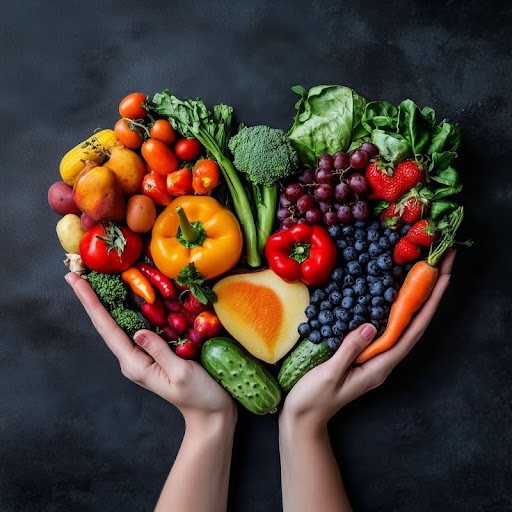
From fresher produce to fewer harmful residues, organic foods give your body cleaner fuel and better nutrition. The trick isn’t buying everything organic, but knowing which foods are worth the switch.
In this guide, you’ll learn the 10 foods nutrition experts recommend choosing organic for — plus, we’ll break down how much extra you really pay (spoiler: it’s not as much as you think!).
Why Choose Organic for Certain Foods
Let’s be honest — organic products do cost a little more. But there’s a reason. Conventional farming often uses chemical pesticides and fertilizers that can leave residues behind. Over time, this exposure may add unnecessary toxins to your diet.
Research shows that certain fruits and vegetables tend to carry higher pesticide residues because of their thin skins or growing methods. So if you eat these foods regularly, going organic isn’t just a trend — it’s a smart move for healthy nutrition and long-term wellness.
How We Chose These 10 Foods
We narrowed down our list based on:
- High pesticide exposure risk in conventional versions
- Frequency in Indian diets and everyday cooking
- Availability of organic versions in most local markets
Now, let’s dig into the list — and see where choosing organic really pays off.
10 Foods Worth Buying Organic
1. Apples
A crunchy apple a day may keep the doctor away — but only if it’s clean. Apples have thin skin that easily absorbs pesticides, making organic versions a much safer and tastier choice.
2. Strawberries
These bright red berries are packed with antioxidants, but conventional strawberries are often among the highest in pesticide residue. If you love your morning smoothie, go for organic strawberries to enjoy their full health benefits without the chemicals.
3. Spinach and Leafy Greens
Leafy greens like spinach, kale, and methi absorb pesticides faster due to their broad surface area. Since these greens are staples in Indian meals, organic varieties help support good nutrition and a toxin-free diet.
4. Grapes
Grapes, whether eaten fresh or as raisins, tend to retain multiple pesticide types. Organic grapes ensure you’re snacking on clean, natural foods that are as good for your body as they taste.
5. Bell Peppers
Colourful and full of vitamin C, peppers often test high for pesticide residues. Organic peppers keep your stir-fries, salads, and curries both nutritious and chemical-free.
6. Tomatoes
Tomatoes are used in nearly every Indian dish, from curries to chutneys. Since their skin is delicate, conventional tomatoes often contain residues. Switching to organic vegetables like tomatoes reduces that exposure while keeping your meals delicious.
7. Potatoes
Potatoes are one of India’s most consumed foods, but conventional ones can contain chemical residues from soil and sprays. Organic potatoes are a cleaner, nutrient-rich alternative that fits well into any balanced diet food plan.
8. Peaches and Nectarines
Soft-skinned fruits like peaches and nectarines are especially prone to absorbing pesticides. If you love fresh fruits, choose organic to protect your body from unnecessary chemicals while supporting healthy nutrition.
9. Celery
Not the most glamorous veggie, but celery absorbs a lot of what it’s sprayed with. Since it’s often eaten raw in salads or juices, going organic here makes good sense for anyone aiming to eat healthy and stay healthy.
10. Yogurt and Dairy
Organic dairy products are free from synthetic hormones and unnecessary additives. A bowl of organic yogurt gives you probiotics and clean protein — making it one of the most nutritious foods to eat every day.
Comparison Table: Organic vs Conventional Costs
Food Item | Conventional Price (approx.) | Organic Price (approx.) | Cost Difference | Why It’s Worth It |
Apples | ₹180/kg | ₹230/kg | ₹50 more per kg | Lower pesticide load, better taste |
Spinach | ₹40/bunch | ₹55/bunch | ₹15 more per kg | Fewer chemicals, safer daily use |
Tomatoes | ₹50/kg | ₹65/kg | ₹15 more per kg | Cleaner, longer shelf life |
Potatoes | ₹40/kg | ₹50/kg | ₹10 more per kg | Healthier soil-grown produce |
Yogurt | ₹80/litre | ₹110/litre | ₹30 more per litre | Free from hormones, better digestion |
As you can see, the cost difference is minimal — usually ₹10–₹50 per item. For most families, that’s less than the cost of a cup of coffee per day!
So yes, organic food isn’t as costly as people think, especially when you focus on what truly matters for your health.
Smart Tips to Add Organic Foods on a Budget
- Start small: Begin with the top 5 high-risk items like apples, spinach, and tomatoes.
- Buy local: Many Indian farmers’ markets now sell organic vegetables directly from small farms.
- Plan seasonal meals: Seasonal produce is naturally cheaper and fresher.
- Mix and match: You don’t need to go 100% organic; combine smart swaps for the biggest impact.
- Avoid waste: Store produce properly and use leftovers creatively.
Real-World Insight
Studies show that choosing organic foods regularly can significantly lower pesticide exposure over time, supporting a cleaner, more natural approach to overall wellness.
Nutrition experts also highlight that people who follow an organic-rich diet tend to eat more fruits, vegetables, and whole grains — meaning their good food habits lead to stronger immunity and better energy levels.
Why This Balanced Approach Works
You don’t need to overhaul your entire pantry. Instead, focus on foods that have a real impact on your healthy nutrition — the ones you and your family eat daily.
This simple approach helps you:
- Protect your health from hidden chemicals.
- Support sustainable farming and cleaner soil.
- Enjoy better-tasting food with more natural nutrients.
- Maintain a balanced diet without blowing your budget.
It’s not about perfection — it’s about progress. Every organic choice you make is a small but meaningful investment in your long-term well-being.
Conclusion
Switching to organic versions of a few nutritious foods to eat every day can transform your diet without emptying your wallet.
Whether it’s crisp apples, fresh spinach, or a spoonful of organic yogurt, each choice adds up to cleaner eating and a healthier you.
Start small, stay consistent, and remember — when it comes to your health, the little choices matter most.
FAQs
Q1: Is buying organic food always better for health?
Not always, but it does reduce exposure to harmful pesticides and additives. Pairing organic foods with a variety of whole grains, lean proteins, and vegetables gives you the best nutrition.
Q2: How can I eat more organic on a budget?
Focus on high-risk foods first, buy in-season produce, and shop local. Organic doesn’t have to mean expensive — a little planning goes a long way.
Q3: What are the main benefits of organic food?
The benefits of organic food include lower pesticide intake, better taste, more nutrients in some cases, and reduced exposure to antibiotics and synthetic chemicals.