Introduction: The Grain Dilemma in Every Indian Home
In most Indian households, rice and wheat have long been the comfort foods we can’t live without. But with rising lifestyle diseases and growing awareness around nutrition, there’s a new buzzword in kitchens — millets.
Once considered a humble grain, millets are making a powerful comeback as a superfood packed with nutrients and sustainable goodness. But how do they really compare to rice and wheat?
In this blog, we’ll explore millets vs rice vs wheat, breaking down their nutritional value, health impact, and family benefits to help you choose what’s best for your plate.
Why Your Grain Choice Matters
Grains make up almost 60–70% of the average Indian meal. They’re our main source of carbohydrates — the body’s energy fuel. But beyond energy, they also influence:
- Blood sugar balance
- Digestive health
- Nutrient absorption
- Weight management
Choosing the right grain isn’t just about taste; it’s about giving your family the right foundation for long-term wellness.
Nutritional Comparison: Millets vs Rice vs Wheat
Here’s a quick look at how these three grains differ nutritionally (per 100g cooked):
Nutrient | Millets | Wheat | White Rice |
Calories | 207 kcal | 151 kcal | 205 kcal |
Protein | 6 g | 6.5 g | 4.3 g |
Fat | 1.7 g | 1.2 g | 0.4 g |
Carbohydrates | 41 g | 31.4 g | 44.5 g |
Fiber | 2.3 g | 4.6 g | 0.6 g |
Iron | 1.6 mg | 1.5 mg | 0.4 mg |
Magnesium | 51 mg | 61 mg | 19 mg |
Glycemic Index (GI) | 45–55 (Low) | 50–70 (Moderate) | 70–90 (High) |
What Makes Each Grain Unique?
Millets – The Ancient Superfood Reborn
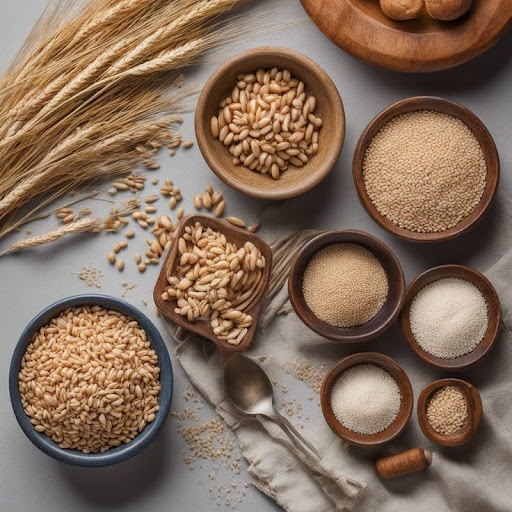
Millets are small, hardy grains once considered “poor man’s food,” but today they’re recognized as a nutrient powerhouse.
- Gluten-free and rich in fiber
- Packed with minerals like iron, magnesium, and phosphorus
- Low glycemic index: aids in blood sugar regulation
- Great for digestion and long-lasting energy
Popular Millets: Ragi (Finger Millet), Bajra (Pearl Millet), Foxtail, Little Millet, Kodo, Jowar (Sorghum)
Wheat – The All-Rounder with a Caveat
Wheat is rich in fiber and B vitamins, making it a good option for digestive health and muscle repair.
However, it contains gluten, which can cause discomfort for people with sensitivities.
Switching to whole wheat instead of refined atta helps retain fiber and nutrients.
Rice – Comfort Food, but Often Overprocessed
Rice is quick to digest and provides instant energy — making it ideal for children, elders, and athletes.
But polished white rice loses fiber, iron, and other nutrients during processing.
Opt for brown rice, red rice, or black rice if you want a healthier alternative.
Health Benefits: Which Grain Wins for Your Family?
Blood Sugar Balance
- Millets’ low Glycemic Index means slow energy release — great for diabetics and weight-watchers.
- White rice, with a high GI, spikes sugar levels.
Wheat stands in the middle but may trigger inflammation in gluten-sensitive individuals natural.
Digestive Health
- Millets and wheat provide the fiber your gut needs for smooth digestion and healthy bowel movement.
- Millets also support a balanced gut microbiome.
Rice, being low in fiber, can lead to sluggish digestion when consumed daily in large quantities.
Immunity & Nutrient Support
- Millets are rich in magnesium, phosphorus, and iron, helping in blood formation, muscle health, and immunity.
Wheat adds B vitamins, while rice contributes simple carbohydrates — good for recovery but less nutritious overall.
Gluten-Free Advantage
For families with gluten intolerance, millets are a blessing.
They provide all the nutrition of grains without the inflammation caused by gluten.
How to Include Millets in Your Family’s Meals
Transitioning to millets doesn’t mean giving up your favorite foods. You can swap or blend them with existing recipes:
- Roti: Try bajra or jowar flour blends
- Breakfast: Ragi dosa, millet porridge, or millet idlis
- Lunch/Dinner: Foxtail millet pulao or little millet khichdi
- Snacks: Millet laddus, cutlets, or cookies
Start slow — introduce millets twice a week and gradually make them a staple.
Sustainable Eating: Why Millets Matter Beyond Health
Millets are not only good for your family — they’re good for the planet.
They:
- Need 70% less water than rice
- Grow without heavy pesticides
Thrive in dry climates and support small farmers
By choosing millets, you’re helping reduce your carbon footprint and promote local agriculture — a win for both health and sustainability.
Expert Tip: Mix, Don’t Replace
A healthy diet is about balance. You don’t have to eliminate rice or wheat entirely.
Here’s a smart approach nutritionists recommend:
Health Goal | Best Choice |
Blood sugar control | Millets |
Gluten-free diet | Millets or Rice |
Digestive health | Wheat or Millets |
Quick recovery or energy | Rice |
All-round family health | Rotate Millets, Wheat & Rice |
FAQs: People Also Ask
1. can I eat millets every day?
Yes, you can! Eating millets regularly can improve digestion, boost energy, and help maintain a healthy weight. Rotate different types of millets to keep your meals varied and nutritious.
2. which millet is best for diabetes?
Foxtail millet, barnyard millet, and little millet are excellent for people with diabetes due to their low glycemic index. They help maintain stable blood sugar levels throughout the day.
3. can kids eat millets daily?
Absolutely. Millets are rich in calcium, iron, and protein, making them great for growing children. Start with soft preparations like ragi porridge or millet khichdi.
Conclusion: The Grain of the Future Is Rooted in the Past
When comparing millets, rice, and wheat, it’s clear that millets offer the best mix of nutrition, sustainability, and digestibility.
They give steady energy, support digestion, and bring back the goodness of traditional eating.
You don’t have to give up rice or wheat — just make room for millets on your plate.
Small, consistent changes can make a big difference to your family’s long-term health.