Think about the last time you bit into a juicy mango on a hot summer day or enjoyed a bowl of warm carrot soup in winter. It just felt right, didn’t it? That’s not a coincidence — it’s nature’s way of syncing our food with our body’s needs.
These days, we can find almost any fruit or vegetable at any time of year, thanks to cold storage and imports. But while convenience has its perks, we’ve slowly drifted away from the natural rhythm of eating what’s in season.
The truth is, eating seasonal foods isn’t just about tradition — it’s one of the simplest ways to support your health, boost your immunity, and enjoy food at its flavorful best. Let’s find out why.
What Does It Mean to Eat Seasonally?
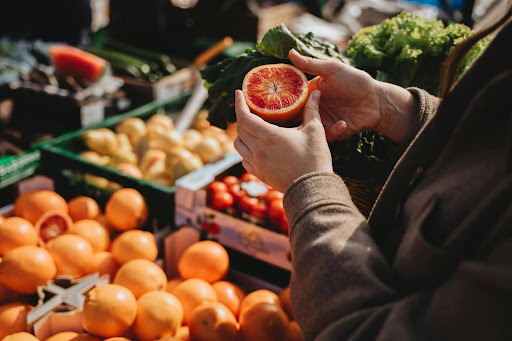
Eating seasonally means enjoying fruits and vegetables that naturally grow during specific times of the year in your region. For example, juicy watermelons and cucumbers in the summer, oranges and spinach in the winter, and corn or papaya during the rainy season.
These foods are fresher, tastier, and richer in nutrients because they ripen naturally — not in a storage box or with artificial help. When you eat with the seasons, you’re not just following a healthy diet; you’re following nature’s own health plan.
1. It’s More Nutritious (and Delicious!)
Seasonal foods are harvested at their peak, which means they’re packed with vitamins, minerals, and antioxidants.
For instance, winter citrus fruits like oranges and amla are full of Vitamin C that your body needs to fight off colds. In summer, water-rich foods like melons and cucumbers keep you cool and hydrated.
When fruits and vegetables grow naturally, they develop stronger flavors too. That’s why those local winter carrots taste sweeter than imported ones — nature simply knows best.
2. Easier on Your Digestion
Ever noticed how heavy meals feel harder to digest in summer, while warm soups feel comforting in winter? That’s your body responding to the seasons.
Nature provides foods that help your system stay balanced. Cooling foods like cucumbers, mint, and melons appear in hot months for a reason — they help you beat the heat. Come winter, you’ll find root vegetables, sweet potatoes, and leafy greens that help you stay warm and energized.
Eating what’s in season works with your body, not against it, keeping your digestion smooth and your energy stable.
3. Strengthens Your Immunity Naturally
When your healthy diet changes with the seasons, your body gets the nutrients it needs to stay strong year-round. Seasonal produce gives you the right vitamins and minerals exactly when you need them.
Think about it: during the flu season, nature offers citrus fruits and leafy greens full of immune-boosting properties. In hot weather, hydrating fruits prevent fatigue and heatstroke.
This natural cycle is the body’s best defense system — and eating seasonally helps keep it in tune.
4. Fewer Chemicals, Fresher Food
Out-of-season foods are often stored for long periods, shipped across countries, or grown with the help of artificial methods to meet demand. This means more preservatives and pesticides — and less freshness.
In contrast, local seasonal produce reaches your plate quickly, without all the chemical treatment and long-distance travel. That means you’re eating food that’s cleaner, fresher, and safer for your body.
5. It’s Kinder to the Planet (and Your Pocket)
Here’s another bonus: seasonal eating is eco-friendly and cost-effective. When you buy what’s in season locally, it doesn’t have to travel halfway around the world to reach your plate. That means less fuel use, less pollution, and a smaller carbon footprint.
Because seasonal produce is available in abundance, it’s also cheaper. So, you’re not only eating healthier — you’re saving money and supporting local farmers too. That’s a win-win for everyone.
6. Fresh Food = Better Mood
Believe it or not, the freshness of your food can affect how you feel. Fresh, colorful produce is full of natural compounds that boost brain health and improve mood.
When you eat foods that are grown naturally, your body digests them easily, your energy levels stay high, and you feel lighter. Plus, the act of picking out fresh, local produce — the smell of ripe fruits or crisp vegetables — can itself feel calming and grounding.
How to Start Eating Seasonally (Without Making It Complicated)
Switching to seasonal eating doesn’t have to be overwhelming. Here are a few easy ways to make it part of your everyday routine:
- Buy local: Visit your neighborhood market or farm stand instead of relying only on supermarkets.
- Observe patterns: Notice what’s abundant each season — that’s usually what’s freshest.
- Cook simple: Use fewer ingredients and let the natural flavors shine. Seasonal foods are already delicious on their own.
- Experiment: Try a new fruit or vegetable every few weeks — you’ll discover plenty of hidden favorites.
Plan ahead: If you love certain foods, preserve them naturally through pickling or sun-drying for later use.
Small changes like these make seasonal eating easy and enjoyable — and your body will quickly thank you for it.
A Realistic Take on Health
Let’s be honest — it’s not always possible to eat 100% seasonally, especially in modern life where convenience matters. But even small steps make a difference.
Start by swapping one or two items a week for local, in-season options. Replace imported apples with guavas, or choose local greens over packaged salads. Over time, these choices add up and your body will respond — you’ll notice better digestion, improved energy, and even clearer skin.
Conclusion
Eating seasonal foods is about getting back in tune with nature — and with yourself. It’s about choosing what’s fresh, local, and real. When you do, your food tastes better, nourishes deeper, and supports both your health and the planet.
So next time you’re at the market, skip the out-of-season imports. Instead, pick what’s grown nearby — the bright fruits, earthy vegetables, and leafy greens that are meant for this moment.
Your body, your taste buds, and the Earth will all be a little happier for it.
FAQs
1. Why should I eat seasonal fruits and vegetables?
Seasonal foods are fresher, more nutritious, and easier for your body to digest. They also help support your immunity and reduce exposure to preservatives.
2. Can eating seasonal foods improve my energy levels?
Yes! Seasonal produce works in sync with your body’s natural rhythm, helping maintain steady energy and better digestion throughout the year.
3. Is eating seasonally expensive?
Not at all. In fact, seasonal produce is usually more affordable because it’s available in abundance locally. You get better quality at a lower price.