
There’s a moment many of us know too well — that sudden urge to snack when we’re stressed, bored, or overwhelmed. It feels comforting, almost automatic, like food is the easiest way to quiet the chaos inside. That’s emotional eating. And while it gives temporary relief, it often drains your energy instead of boosting it.
But here’s the good news: eating for energy instead of emotion isn’t about dieting or restriction. It’s about understanding what your body truly needs, slowing down, and choosing foods that help you feel grounded, lighter, and more alive. And this shift is much simpler than it sounds.
Why Emotional Eating Leaves You Tired, Not Satisfied
Emotional eating often comes from stress, worry, or even simple habit. When food becomes comfort instead of nourishment, the body reacts differently — quick sugar spikes, sudden crashes, and a dull heaviness that lingers much longer than the moment of comfort.
Many people look for ways to learn how to stop emotional eating, but the real turning point begins with observing what triggers these cravings. Once you recognize the pattern, the shift from stress eating to mindful eating becomes much easier and more natural.
Choosing Food for Energy Instead of Distraction
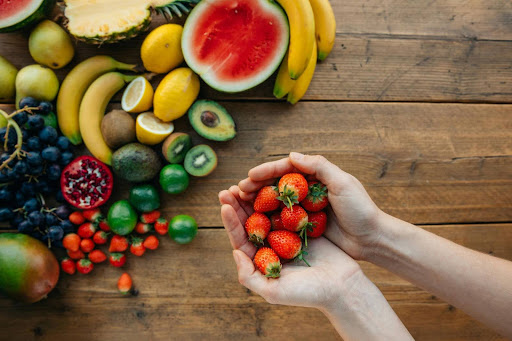
When you start eating with the intention of feeling better — not just feeling less — everything changes. Fresh, nutrient-rich foods support your mood, your metabolism, and your mental clarity. You start experiencing food not as an escape but as fuel for your day.
This is where mindful eating fits beautifully. It’s simply the act of paying attention — to your hunger, your food, your body. No rules, no pressure. Just awareness. And awareness alone can break the cycle of emotional eating and guide you toward healthier eating habits without feeling forced.

How Mindful Eating Helps Calm Emotional Hunger
When you pause before you eat — even for a few seconds — you can instantly sense whether your body is genuinely hungry or your mind just needs comfort.
Mindful eating slows everything down.
It gives you space to taste food fully, chew without rushing, and actually enjoy each bite.
As your body begins to trust that you’re feeding it with intention, you naturally start choosing a more balanced diet — not because you “should,” but because you genuinely feel better that way.
This tiny shift builds a healthier relationship with food, one that supports sustained energy throughout the day.
Nutrient-Rich Foods That Lift Your Energy Naturally
Foods with real nutritional value help stabilize your mood and energy far better than sugary snacks or emotional comfort foods.
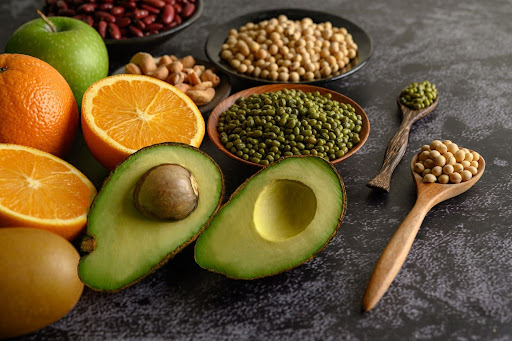
Think of whole grains, fresh fruits, leafy vegetables, nuts, seeds, and protein-rich meals. They release energy slowly, keeping you steady instead of swinging between highs and lows.
If you’ve ever wondered which options truly help you feel more awake and active, you’ll find your answer in this helpful resource on the best foods for energy — a simple guide that makes everyday choices easier and more enjoyable.
Healthy Eating Habits That Support Emotional Balance
Energy isn’t just physical — it’s emotional too. When you start nourishing your body consistently, your mind naturally feels calmer and more grounded. Healthy eating habits like eating at regular times, staying hydrated, and choosing whole foods turn into a routine that supports your mood just as much as your metabolism.
Over time, these small habits add up, helping you build a sustainable, healthy lifestyle without feeling like you’re constantly controlling or restricting yourself.
This is where you begin to feel the real shift — not just in your diet, but in your day.
A Healthy Lifestyle Isn’t About Perfection — It’s About Awareness
There’s no need to get everything right. You don’t have to swear off stress eating forever or expect yourself to make perfect choices every day. What truly matters is that you start noticing how food makes you feel.
When eating becomes an act of self-care instead of emotional relief, your energy rises naturally. You start feeling more present, more in control, and more connected to yourself.
And that’s the heart of eating for energy instead of emotion — a simple, gentle shift toward choosing what genuinely supports your body and mind.
The Simple Shift That Changes Everything
In the end, eating for energy is really about listening to your body with a little more honesty. When you pause before you eat, choose nutrient-rich foods, and stay aware of your hunger cues, emotional eating naturally steps back. You begin to feel lighter, clearer, and more in control.
This shift doesn’t need dramatic changes. It grows through small daily choices — drinking water first, slowing down at meals, noticing what your body actually needs. Over time, these tiny habits build a calmer, more nourishing relationship with food.
And slowly, you stop eating to soothe your emotions and start eating to support your life.
Food becomes fuel, not escape.
Energy, not comfort.
“Eating for energy instead of emotion” becomes more than a phrase — it becomes a gentle promise you keep to yourself, one meal at a time.