

Walk into any modern supermarket in India today—whether it’s Big Bazaar, Spar, or your friendly neighbourhood grocery store—and you’ll notice something different. Right beside the classic wheat cookies we’ve grown up nibbling on, there’s a rising star on the shelf: ragi cookies.
With more families moving toward mindful eating and healthier snack swaps, one question has become surprisingly common:
Are ragi cookies genuinely healthier than wheat cookies, or is the marketing simply louder these days?
If you’ve been debating which cookie deserves a spot in your tiffin, office desk drawer, or evening chai routine, this detailed guide breaks it down using nutrition, digestion, satiety, affordability, and real-life lifestyle relevance.
Let’s settle the ragi vs wheat cookie debate once and for all.
Why India Is Suddenly Choosing Millet-Based Cookies
In the last few years—especially after the International Year of Millets—India has seen a dramatic shift toward millets in everyday foods. From breakfast cereals to dosa batter, and now to cookies, millets are replacing refined grains with cleaner, more nutrient-dense alternatives.
Among all millets, ragi (finger millet) stands out especially for people searching for healthy high-fibre cookies for weight loss (long-tail keyword).
Wheat cookies still dominate shelves, but they no longer win automatically. Today’s consumer wants snacks that taste good but also do some good for the body.
This shift is exactly where ragi shines.
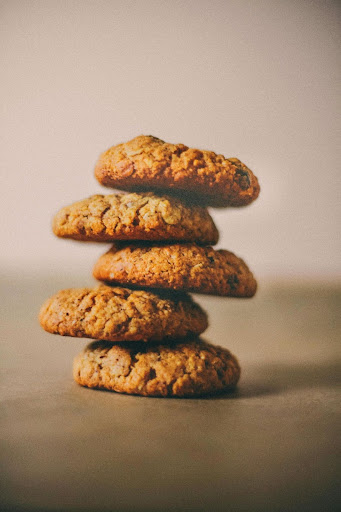
Ragi Cookies: What Makes Them Truly Special?
Ragi is known as a “wonder millet” for a reason. When baked into cookies, it brings real nutritional value—not just empty crunch.
1. A Natural Source of Calcium
Did you know ragi is one of the highest plant-based sources of calcium?
For growing kids, adults with low bone density, and women who need extra calcium, ragi cookies offer a surprisingly effortless way to boost intake.
2. Supports Blood Sugar Control
Unlike refined wheat flour used in many bakery cookies, ragi has a low glycemic index.
It digests slowly, releasing glucose in a controlled manner—one reason diabetics prefer ragi over wheat.
3. Fibre-Rich, Craving-Reducing, Weight-Friendly
Where wheat offers moderate fibre, ragi offers a generous amount.
This means better digestion, longer satiety, and fewer cravings between meals—making ragi cookies a smart choice for people trying to maintain or reduce weight.
4. Naturally Gluten-Free
For the millions in India with gluten sensitivity or unexplained digestive discomfort, ragi cookies are gentle, light, and tummy-friendly.
5. Rich in Iron and Amino Acids
Ragi contains iron, antioxidants, and amino acids that support energy, metabolism, and muscle repair.
It’s a snack your body appreciates, not just tolerates.
Wheat Cookies: Familiar but Not Always Nutritional
Wheat is comforting. Wheat is tradition.
But nutritionally, wheat cookies often fall short—not because wheat is bad, but because most commercial wheat cookies aren’t made with whole wheat at all.
1. Usually Made With Refined Flour (Maida)
Unless the pack clearly says “100% whole wheat,” most cookies labelled wheat are still mostly maida.
Refined flour digests quickly, spikes blood sugar, and offers minimal nutrition.
2. Moderate Fibre, But Not Enough
Even genuine whole wheat cookies don’t match ragi’s fibre levels.
This means you stay full for a shorter time.
3. Contains Gluten
Not ideal for those with gluten intolerance, gut issues, or bloating.
4. More Affordable & Widely Available
To wheat’s credit, wheat cookies are cheaper and easy to find everywhere—from railway station stalls to premium stores.
Ragi vs Wheat Cookies: Side-by-Side Comparison
Feature | Ragi Cookies | Wheat Cookies |
Fibre Content | High | Moderate |
Glycemic Index | Low | Medium/High |
Gluten-Free | Yes | No |
Calcium Level | Very High | Low |
Satiety | Excellent | Average |
Weight Management | Highly Supportive | Less Supportive |
Verdict:
For daily snacking, blood sugar balance, weight goals, and digestive comfort—ragi cookies clearly win.
What About Taste & Texture?
Healthy doesn’t have to mean boring—but taste does vary.
Ragi Cookies
✔ Mild earthy flavour
✔ Slightly crumbly, nutty texture
✔ Pairs beautifully with tea, milk, or curd
✔ Less sweet, more wholesome
Wheat Cookies
✔ Familiar, classic flavour
✔ Softer bite
✔ Usually sweeter
✔ More kid-friendly for those who prefer mild taste
If you want flavour without guilt, ragi wins.
If you want comfort without thinking too much—wheat works.
Who Should Prefer Ragi Cookies?
Ragi cookies are best for you if:
- You want a healthier snack with real nutrition
- You’re trying to lose or manage weight
- You have diabetes or prediabetes
- You prefer high-fibre, slow-digesting foods
- You’re gluten-sensitive
- You want something filling, not addictive
Who Should Prefer Wheat Cookies?
Wheat cookies suit you if:
- You want a cheaper option
- You prefer sweeter, softer cookies
- You’re not worried about fibre or sugar spikes
- You eat cookies only occasionally
A Smart Snack Swap Worth Making

Replacing your regular cookie with a ragi-based one may look like a small lifestyle tweak, but over weeks and months, it creates real changes—in energy levels, digestive comfort, weight balance, and blood sugar stability.
If you’re curious about how ragi supports metabolic health, this research-backed guide on why ragi is good for diabetes offers a clear explanation.
Final Thought
Healthy eating is not about giving up flavour—it’s about choosing ingredients that love your body back.
Ragi cookies may not be glamorous or sugar-loaded, but they’re honest, grounding, and deeply nourishing.
And sometimes, that’s all we need from a snack—something that feels good and does good.
FAQs
1. Are ragi cookies healthier than wheat cookies?
Yes. Ragi cookies contain more fibre, more calcium, a lower glycemic index, and offer better fullness compared to wheat cookies.
2. Can diabetics eat ragi cookies?
Yes, in moderation. Ragi’s low GI helps manage sugar levels better than wheat or maida-based cookies.
3. Are ragi cookies gluten-free?
Yes, but always check labels since some brands mix flours.