
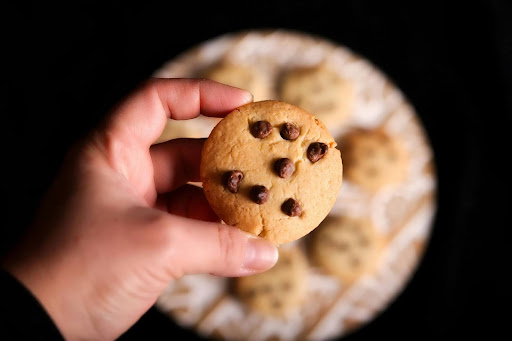
Walk into any supermarket today and you’ll see them sitting proudly on the shelves — millet cookies in bright, earthy packaging promising “wholesome goodness,” “high fibre,” and “zero maida.” Even home bakers and local brands have jumped in, offering ragi, jowar and multi-millet cookies that look like a guilt-free alternative to the regular tea-time biscuits we’ve grown up with.
But the big question is:
Are millet cookies actually healthy — or just another trend with fancy labels?
If you’ve wondered the same while picking up a packet during your chai break, this guide is for you. Think of it like a crisp, friendly breakdown of what millet cookies really offer, what they don’t, and how to choose the right ones without overthinking calories, claims or nutrition jargon.
Why Millet Cookies Are Becoming Popular in Indian Homes
Biscuits are woven into our daily routines — that quick chai-and-biscuit moment in the evening, a pack in a child’s tiffin, or something to nibble on during office hours. Most of the time, though, these biscuits are made with refined flour, hydrogenated fats, and lots of sugar. They taste great but do very little for your health.
Millet cookies stepped into the spotlight because they replaced maida with whole grains like ragi, jowar, bajra, foxtail millet, korra or multi-millet mixes. These grains are naturally richer in fibre, minerals, and slow-releasing carbohydrates, making them more nutrition-friendly.
In short:
Millets = slower digestion + fewer sugar spikes + longer fullness
—and that’s why people looking for healthier snacking options are giving these cookies a chance.
What Actually Makes Millet Cookies Different?
Here’s the simplest way to understand the difference:
1. They are whole-grain based (instead of refined flour)
Millets still contain their outer bran and germ layers, which means more fibre and more nutrients. Maida, on the other hand, is stripped of all that goodness.
2. They release energy slowly
This prevents the classic biscuit-driven sugar rush and crash. It’s one reason why millet snacks are becoming popular among people with diabetes or those trying to manage weight.
3. They bring natural minerals to the table
What are the health benefits of millets?
- Ragi → high in calcium and iron
- Foxtail millet → rich in magnesium
- Bajra → good for digestion and warmth
- Jowar → light, gluten-free and protein-rich
4. They work for gluten-sensitive individuals
Most millets are naturally gluten-free. So if you’re trying to reduce your wheat intake, millet cookies automatically become an easy swap.
But — and this is a big one — the healthiness depends entirely on how the cookie is made.
Health Benefits of Millet Cookies (When They’re Made Clean)

Millet cookies can be a genuinely better snack choice, but only when the recipe uses ingredients that respect the natural goodness of the grain.
1. Higher fibre for better digestion
Because millets retain their fibre-rich layers, they help keep digestion smooth and prevent overeating. This is especially helpful for school-going kids, working professionals and anyone with digestive issues.
2. Lower glycemic impact
Whole millets convert to glucose slowly. This keeps your energy stable—unlike regular biscuits that spike your blood sugar and leave you hungry again soon after.
3. More micronutrients than wheat biscuits
Depending on the millet used, the cookies can naturally contain:
- calcium
- iron
- magnesium
- potassium
- antioxidants
- B vitamins
These are minerals most Indians unknowingly fall short on, especially children and women.
4. Cleaner ingredient lists (if you pick wisely)
Some good millet cookie brands avoid:
- refined sugar
- palm oil
- hydrogenated fats
- added colours or artificial flavours
- preservatives
That alone makes them a far better choice than the usual packaged biscuits we’re used to.
Are Millet Cookies Good for Weight Loss?
A lot of people search online asking:
“Can millet cookies help with weight loss?”
The honest answer:
They can help — but only if you pick the right ones and don’t overeat them.
Millet cookies support weight goals when:
✔ they’re made using whole-grain flours
✔ sugar is kept to a minimum
✔ the fat used is clean (butter, ghee, coconut oil, groundnut oil)
✔ you eat them in moderation (2–3 cookies, not half a pack)
They work mainly because the fibre keeps you full and reduces unnecessary snacking. But they won’t magically make you lose weight — they simply support healthier choices.
Popular Types of Millet Cookies in India
Millet cookies vary in flavour and texture based on the millet used. Here are a few favourites you’ll commonly find:
1. Ragi Jaggery Cookies
Earthy, mildly sweet, and high in calcium — great for kids who don’t drink enough milk.
2. Jowar Almond Cookies
Lighter and crunchier, with a pleasant nutty taste. Works perfectly with chai or for mid-work snacking.
3. Multi-Millet Digestive Cookies
A blend of 4–5 millets makes these high in fibre and ideal as an alternative to maida-based digestive biscuits.
Are Millet Cookies Safe for Kids?
Absolutely — in fact, many parents prefer them because they:
- digest slowly and steadily
- keep kids full for longer
- offer more minerals than regular biscuits
don’t rely on artificial flavoursJust check the sugar content, as some brands still add refined sugar even if the cookie is millet-based.

How Many Millet Cookies Can You Eat in a Day?
Millet cookies are healthier, but they’re still a snack — and snacks should have a limit.
✔ 2–3 cookies once or twice a day is a comfortable, balanced portion
✔ Pairing them with tea, milk, or a fruit makes them part of a wholesome snack
✔ Avoid finishing a packet in “one go” — the nutrition is good, but calories still add up
So Are Millet Cookies Truly Healthy?
Yes — but only when the recipe is simple, clean and millet-forward.
The real benefits come from:
- whole-grain fibre
- stable energy release
- natural minerals
- no refined flour
- fewer artificial ingredients
The trick is to read the ingredient list. If the millet cookie you pick has more maida, sugar, or palm oil than actual millet flour, it defeats the purpose.
But when made right — either at home or by brands that keep things honest — millet cookies fit beautifully into India’s growing move toward cleaner, more mindful snacking.
If you’re trying to shift from processed biscuits to something better without giving up taste or convenience, millet cookies are one of the easiest, most practical swaps you can make.