

If you’ve ever felt unusually tired, moody, bloated, or noticed sudden weight or skin changes, hormones could be playing a role. For many women, hormonal imbalance doesn’t show up as one big symptom — it appears quietly through disrupted sleep, low energy, irregular periods, or feeling emotionally overwhelmed for no clear reason.
Hormones influence almost everything in the body — from how well you sleep to how clearly you think and how your metabolism functions. When they’re out of sync, life can feel exhausting. The reassuring part? You don’t always need extreme measures to support hormonal health. Small, consistent changes in your everyday diet can go a long way.
Let’s look at how food can gently help bring hormones back into balance — naturally and sustainably.
How Your Diet Influences Hormones
Hormones are chemical messengers, and your body depends on nutrients to make and regulate them properly. When meals lack essential vitamins, minerals, fiber, and healthy fats, hormone production and clearance can suffer.
For instance, healthy fats help the body produce estrogen and progesterone. Minerals like magnesium and zinc play a role in stress regulation and blood sugar balance. Fiber helps the body eliminate excess estrogen efficiently through the digestive system.
This doesn’t mean food works overnight — but over time, women who eat nutrient-dense, balanced meals often experience steadier energy, improved mood, fewer PMS symptoms, and better overall well-being.
Foods That Support Hormonal Balance in Women
Here are some everyday foods that can support hormone health along with easy ways to include them in your routine.
1. Leafy Green Vegetables
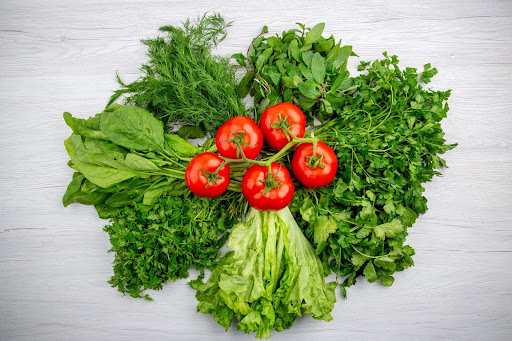
Spinach, kale, amaranth leaves, and methi are rich in fiber and magnesium — a mineral that helps calm the nervous system and supports progesterone levels.
How to eat them: Add greens to dals, sabzis, omelettes, or blend them into smoothies for an easy boost.
2.Fat-Rich Fish
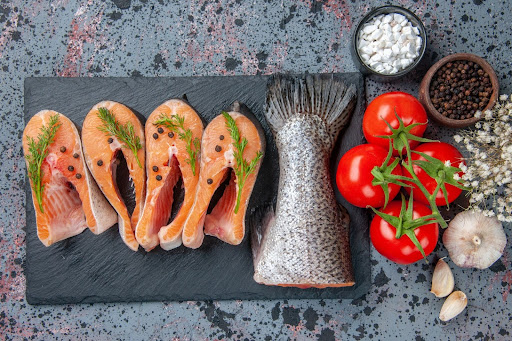
Fish like salmon, sardines, and mackerel contain omega-3 fatty acids, which help reduce inflammation and support estrogen balance.
How to eat them: Aim for fish a couple of times a week. If you’re vegetarian, flaxseeds and chia seeds are good alternatives.
3.Cruciferous Vegetables
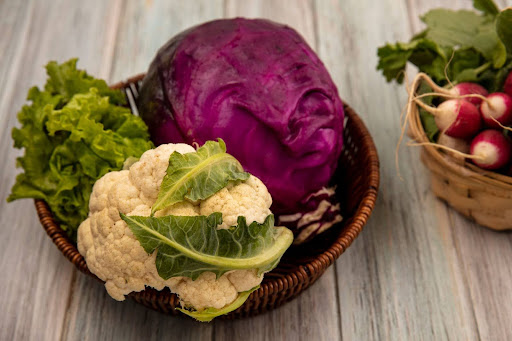
Vegetables such as broccoli, cauliflower, cabbage, and Brussels sprouts help the liver process and eliminate excess estrogen effectively.
How to eat them: Lightly steam or sauté them with simple spices to retain nutrients and improve digestion.
4.Nuts and Seeds
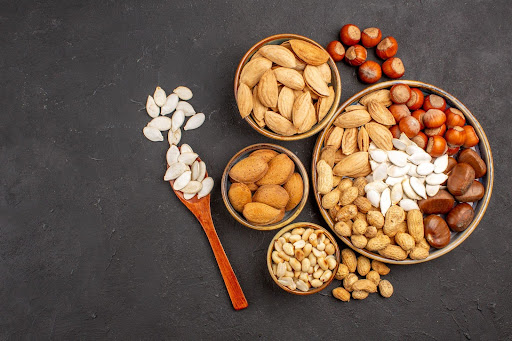
Healthy fats, antioxidants, and minerals that promote thyroid and adrenal health can be found in almonds, walnuts, pumpkin seeds, sunflower seeds, and sesame seeds.
How to eat them: Keep a small mix handy for snacking, or sprinkle seeds over curd, porridge, or salads.
5.Fermented Foods
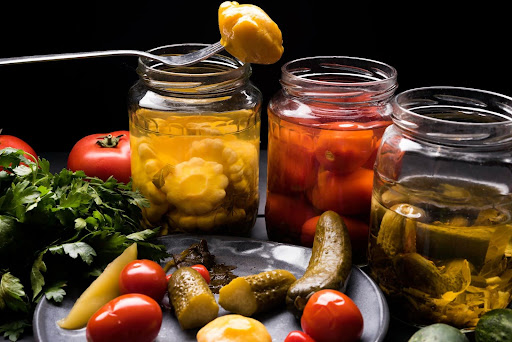
Foods like curd, kefir, idli, dosa batter, and homemade pickles help maintain gut health. Since the gut plays a role in hormone metabolism, better digestion often means better hormonal balance.
How to eat them: Include a small portion daily — even a bowl of curd with lunch helps.
6.Whole Grains
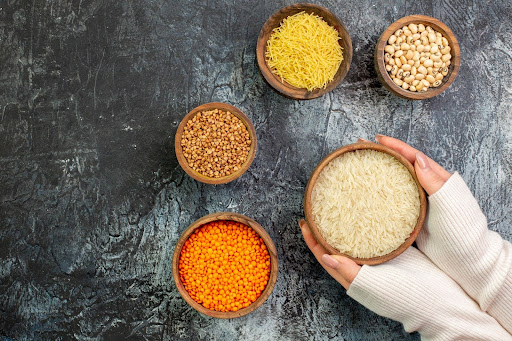
Oats, quinoa, brown rice, and traditional millets release energy slowly and help prevent sudden blood sugar spikes, which are closely linked to insulin and hormone imbalance.
How to eat them: Replace refined grains with whole grains in rotis, porridge, or khichdi.
Simple Lifestyle Habits That Support Hormones
Food is important, but daily habits can either support or disrupt hormonal health. A few minor changes can have a significant impact:
- Sleep well: Inadequate sleep affects cortisol, insulin, and hunger hormones. Try to get 7–8 hours consistently.
- Reduce stress: Even short walks, breathing exercises, or yoga can help lower stress hormones.
- Move regularly: Moderate exercise like walking, strength training, or swimming supports insulin and estrogen balance.
- Stay hydrated: Water supports digestion, detoxification, and hormone transport in the body.
A Sample Day of Hormone-Friendly Eating
- Breakfast: Chia seeds, walnuts, and seasonal fruit on top of oats
- Mid-morning: Curd with ground flaxseeds
- Lunch: Quinoa or millet with carrots, broccoli, and pumpkin seeds
- Evening snack: Green smoothie with spinach, banana, and a teaspoon of flaxseed
- Dinner: Grilled fish or paneer with sautéed greens and brown rice
You don’t need to follow this perfectly. Even adopting one or two ideas can lead to noticeable improvements over time.
Final Thoughts
Hormonal balance isn’t about following a strict or trendy diet. It’s about consistency and nourishment. When you regularly eat foods that support digestion, blood sugar control, and nutrient intake, your hormones often respond positively.
By focusing on whole foods, healthy fats, fiber, and mindful habits, you’re not only addressing current symptoms but also supporting long-term health — from thyroid function to menopause wellness.
Start slowly. Add one hormone-supportive food at a time, pair it with better sleep and stress management, and listen to your body. Over time, the changes may feel subtle — but powerful.