
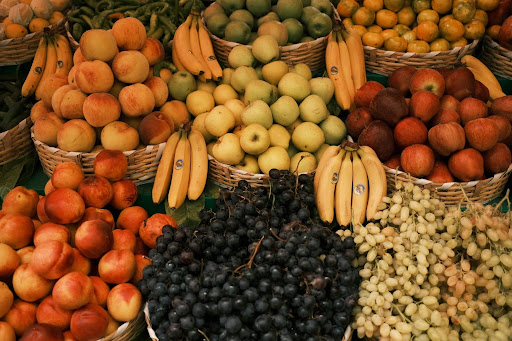
Eating healthy doesn’t have to be complicated. While there are countless diets and “superfoods” available, one of the simplest ways to improve your health is through seasonal eating. Choosing the best seasonal foods to eat for better health can support your digestion, energy, immunity, and overall wellness naturally.
In India, seasonal eating has been part of our culture for generations — from mangoes in summer to peanuts in winter and corn in the monsoon. Understanding why these foods work so well for your body can make healthy eating effortless.
Why Seasonal Foods Are Good for Your Body
Seasonal foods align with the climate and your body’s natural needs:
- Summer: Heat drains energy, so markets are filled with hydrating foods like watermelon, cucumbers, tomatoes, kokum, and tender coconut. These foods cool the body and prevent dehydration naturally.
- Monsoon: Digestion slows and humidity increases, making foods like ginger, turmeric, corn, bottle gourd, and warm soups ideal for meals.
- Winter: Cold weather calls for warming, nutrient-rich foods such as carrots, methi, beets, oranges, guava, bajra, and sesame to keep the body strong and energetic.
Eating with the season ensures your body gets exactly what it needs at the right time.
Seasonal Produce Always Tastes Better

- Better flavor and texture
- Higher nutrient content
- More satisfying meals without strict diets
Seasonal Eating Supports Immunity
Your everyday meals can strengthen immunity without supplements:- Winter vegetables provide essential vitamins and antioxidants
- Summer fruits hydrate and cool the body
- Monsoon spices support digestion and gut health
Seasonal Foods Are Budget-Friendly
Another advantage of seasonal eating is cost:- Abundant, locally grown produce is cheaper and fresher
- Less reliance on cold storage or transport reduces prices
- You get high-quality foods without extra expense
How to Start Eating Seasonally
You don’t need complicated charts or apps. Simply choose what’s fresh and available in your local market.
Summer: Mangoes, watermelons, muskmelon, cucumbers, buttermilk, kokum, coconut water
Monsoon: Ginger, turmeric, corn, bottle gourd, moong dal, warm soups, herbal teas
Winter: Carrots, beets, methi, spinach, guava, oranges, bajra, sesame, peanuts, ghee
Even small changes, like adding one seasonal fruit or vegetable each day, can improve your digestion, energy, and overall wellness.

Benefits of Eating Seasonal Foods
Adopting seasonal eating brings multiple advantages:
- Better digestion
- Stable energy levels
- Stronger immunity
- Healthier skin
- Balanced appetite
It’s a simple, sustainable, and natural way to improve your health without strict diets or supplements.
Making Seasonal Eating a Lifestyle
The best part of seasonal eating is how effortless it is:
- No need to give up favorite foods
- Focus on what’s fresh and available for the current season
- Small, consistent choices lead to long-term wellness
Start with just one seasonal item per day, keep meals simple and balanced, and let your body respond naturally over time.
Conclusion:
Choosing the best seasonal foods to eat for better health is an easy habit that offers both immediate comfort and long-term benefits. Seasonal eating reconnects you with nature, enhances your nutrition, and supports your body’s natural rhythms — quietly, steadily, and effectively.