
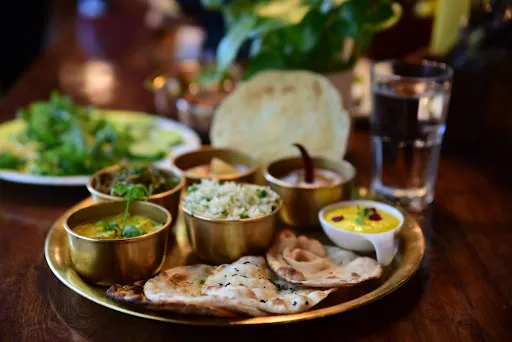
Traditional foods aren’t returning because they’re fashionable. They’re returning because many people feel better when they eat them. Meals feel lighter. Digestion feels calmer. Energy doesn’t drop suddenly.
These changes don’t happen overnight, but they’re noticeable enough for people to pay attention.
Why Traditional Foods Still Make Sense Today
Traditional food was built around daily life, not diet rules.
- Ingredients were familiar
- Cooking methods were simple
- Meals were repeated because they worked
This makes traditional foods easier for the body to handle, especially compared to highly processed modern meals.
What People Commonly Notice Over Time
People rarely switch to traditional foods with big expectations. Most changes are noticed slowly.
- Meals feel more filling
- Snacking reduces naturally
- Energy stays more even
- Digestion feels less heavy
These shifts usually come without tracking calories or following strict plans.
A Simple Real-Life Example
A common pattern many people share goes like this:
They eat packaged or refined food during busy workdays. Lunch feels quick but unsatisfying. By evening, they feel tired and hungry again.
After switching just a few meals a week to home-style traditional food—like whole grains, cooked vegetables, and fermented sides—they start noticing small changes. Hunger becomes predictable. Digestion feels smoother. Even sleep improves slightly.
Nothing dramatic. Just better days adding up.
Digestive Support Comes Built In
Traditional diets didn’t focus on gut health as a concept—it was simply part of eating.
- Fermented foods were normal
- Meals were freshly cooked
- Fiber came from real ingredients
When people bring these elements back today, digestion often improves quietly, without needing supplements or fixes.
When people bring these elements back today, digestion often improves quietly, without needing supplements or fixes. For example, many traditional Indian foods like idli, curd, chutneys, and whole grains not only support the gut but also contribute to overall nutrition — similar to the ways described in 7 Indian traditional foods for a healthy diet.
Traditional Foods vs Modern Processed Foods
Traditional Foods | Modern Processed Foods |
Closer to natural form | Heavily refined |
Higher fiber content | Low fiber |
Slower digestion | Quick energy spikes |
Keeps you full longer | Triggers frequent hunger |
Simple ingredients | Long ingredient lists |
This difference explains why traditional meals often feel more satisfying even in smaller portions.
How Traditional Foods Fit Modern Routines
Traditional eating doesn’t require a complete lifestyle change.
- Cook traditional meals a few times a week
- Swap refined grains occasionally
- Add fermented foods as sides
When traditional meals are paired with gentle movement, the benefits feel more balanced, which is why practices like simple exercise routines that support everyday wellness often work well alongside home-style food habits.
These changes are realistic, which is why people actually stick to them.
Why Traditional Eating Lasts
Traditional food habits don’t demand perfection.
- No strict timing
- No special products
- No pressure
They fit into life instead of competing with it, which is why they remain sustainable over time.
FAQs
Can traditional foods be eaten daily?
Millets provide natural fiber, steady energy, and essential nutrients without heavy processing.
Do traditional foods suit busy lifestyles?
They can partially replace refined grains, but balance and variety work best.
Is it necessary to avoid modern foods completely?
Yes. They support digestion, energy, and simple home-style cooking.
Final Takeaway
Traditional foods support modern wellness in quiet, practical ways. They improve digestion, help maintain steady energy, and make eating feel simpler again.
Sometimes, the most effective changes are the ones that feel familiar.