
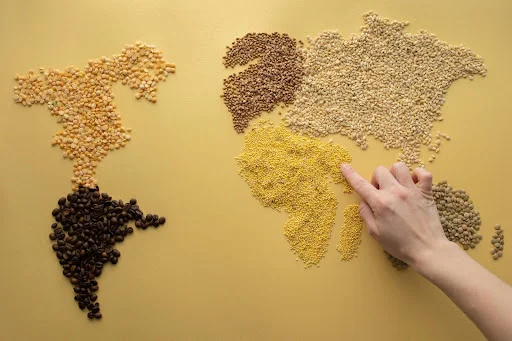
Millets are everywhere today.
Walk into any supermarket and you’ll see a dedicated millet section. Cafes proudly advertise millet bowls and millet dosas. Social media is filled with advice telling you to “replace rice with millets” for weight loss, diabetes, and better digestion.
Millets have clearly become the new health trend.
But here’s a question most people don’t ask openly:
If millets are so healthy, why do many people stop eating them after a few weeks?
Talk to anyone who tried switching to millets seriously, and you’ll hear things like:
- “I feel bloated after eating millets regularly.”
- “My digestion feels slower than before.”
- “I’m getting constipated.”
- “I don’t feel energetic during the day.”
- “I lost weight, but I feel weak.”
This doesn’t mean millets are bad foods.
It usually means millets are being eaten without understanding which millet suits daily consumption, how often they should be eaten, and how they interact with the Indian body, climate, and lifestyle.
Millets are not modern substitutes invented to replace rice overnight.
They are traditional grains that were always eaten with specific logic.
So instead of asking, “Are millets healthy?”, the more important question is:
Which millet should you eat daily without harming digestion, energy, or long-term health?
This guide answers that question in a practical, Indian, real-life way — not through hype, but through clarity.
Why Choosing the Right Daily Millet Matters in India
In India, food has never been just about nutrition labels.
Traditionally, what we ate depended on:
- Climate and season
- Strength of digestion
- Physical activity levels
- Age and health conditions
- Cooking methods
- Meal timing
Rice became the staple food across most of India not because it was fashionable, but because:
- It digests easily
- It suits tropical weather
- It provides quick energy
- It works for children, adults, and elders alike
Millets, on the other hand, are very different from rice.
They are generally:
- Higher in fibre
- Slower to digest
- More filling
- More demanding on the digestive system
This difference is exactly why eating the wrong millet daily can quietly create digestive stress over time — even though millets are technically “healthy”.
Many people assume that because millets are traditional, they are automatically safe for daily use. That assumption is incomplete.
Daily food must support consistency, not just nutrition.
The Biggest Myth: “Every day, you can eat millets.”
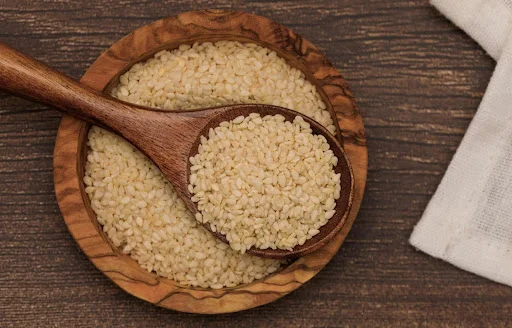
One of the most common mistakes people make is treating all millets the same.
Historically in India:
- Some millets were eaten only in specific seasons
- Some were consumed mainly by physically active farming communities
- Some were used during scarcity or drought periods
- Some were rotated, not eaten daily
Modern life looks very different:
- Long hours of sitting
- Limited physical movement
- High mental stress
- Irregular meal timings
- Reduced digestive strength
When lifestyle changes, food rules must change too.
Eating every millet every day just because it is labelled “healthy” often leads to problems like bloating, constipation, fatigue, and loss of appetite.
That’s why daily millet choice matters more than variety.
Regional Identification Guide
for daily eating, it helps to identify it correctly in your local language. Many people unknowingly buy the wrong millet simply because the regional name differs from what they are familiar with.
This quick reference will help you match English millet names with commonly used regional names across India.
English Name | Tamil | Hindi | Telugu | Kannada |
Foxtail Millet | Thinai | Kangni | Korra | Navane |
Little Millet | Samai | Kutki | Sama | Saame |
Kodo Millet | Varagu | Kodra | Arikelu | Arka |
Finger Millet | Ragi | Mandua | Ragulu | Ragi |
Pearl Millet | Kambu | Bajra | Sajjalu | Sajje |
Sorghum | Cholam | Jowar | Jonna | Jola |
What Makes a Millet Suitable for Daily Consumption?
Not every healthy food is suitable for daily eating.
A millet can be considered suitable for daily consumption if it:
- Digests comfortably without bloating
- Does not create excessive dryness in the body
- Does not overload fibre intake day after day
- Provides steady energy instead of heaviness
- Can be eaten consistently without discomfort
This simple filter already narrows down the list.
Best Millets You Can Eat Daily (Indian Lifestyle Focus)
Foxtail Millet (Thinai) – The Safest Daily Millet
If one millet comes closest to being a true rice alternative for daily meals, it is foxtail millet.
Foxtail millet is effective because it strikes a balance between digestion and nutrients.
Why foxtail millet suits daily consumption:
- Light on the stomach
- Balanced fibre (not excessive)
- Cooks soft like rice
- Does not cause dryness or heaviness
Many people don’t even realise they’re eating millet when they switch from rice to thinai.
Who benefits most from eating foxtail millet daily:
- Office-going professionals
- People transitioning from white rice
- Mild diabetics
- Elderly people
- Those with moderate digestion
How it usually feels after eating:
- Comfortable digestion
- No bloating
- No extreme fullness
- Stable energy through the day
Best daily preparations:
- Cooked like regular rice
- Vegetable pongal
- Soft upma or khichdi
How often: Daily or 5–6 times a week
Portion size: Same as your regular rice portion
For most Indian households, foxtail millet is the most reliable daily millet.
Little Millet (Samai) – Ideal for Light Daily Meals
Little millet is often underestimated, but it is one of the gentlest millets available.
Why little millet works for daily eating:
- Light and non-heavy
- Easy on digestion
- Does not cause energy crashes
It is especially useful for people who feel sleepy or heavy after rice-based meals.
Best suited for:
- Dinner meals
- People with slow digestion
- Women and elderly
- Those who want lighter meals
Best forms to eat little millet:
- Idli
- Dosa
- Soft rice with dal or vegetables
How often: Daily, but in moderate portions
Little millet works best when cooked soft, warm, and moist. Dry or undercooked preparations can cause discomfort.
Kodo Millet (Varagu) – Good, But Not Daily for Everyone
Kodo millet sits between light and heavy millets.
Benefits of kodo millet:
- Supports gut health
- Can help reduce bloating for some people
- Feels satisfying
Limitations:
- Slightly heavier than foxtail and little millet
- Requires proper soaking and cooking
- Not ideal for people with weak digestion daily
Who can eat kodo millet more comfortably:
- Physically active individuals
- People with good digestion
- Those with water retention issues
How often: Alternate days or 2–3 times a week
Millets You Should Not Eat Daily (But Can Rotate)
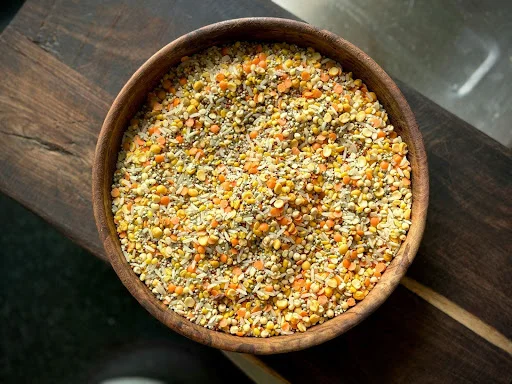
Finger Millet (Ragi)
Ragi is highly nutritious, but it is not meant for daily consumption for everyone.
Why daily ragi can cause issues:
- Very dense grain
- High calcium content can interfere with mineral balance
- Tends to create dryness in some bodies
Common complaints with daily ragi intake:
- Constipation
- Reduced appetite
- Body stiffness or heaviness
Best way to eat ragi:
- Morning meals
- With ghee, buttermilk, or dal
How often: 2–3 times a week
Ragi is powerful. Powerful foods need moderation.
Pearl Millet (Bajra)
Bajra is a heating millet.
Why daily bajra is problematic:
- Increases body heat
- Heavy on digestion
- Not suitable for hot climates or sedentary lifestyles
Traditionally, bajra was eaten:
- In winter
- By people doing hard physical labour
How often: Once or twice a week
Best season: Winter
Sorghum (Jowar)
Jowar is filling, but that can be a downside.
Issues with daily jowar consumption:
- Sluggish digestion
- Heaviness
- Suppressed hunger signals
How often: Occasional, not daily
Daily Millet Decision Table (Quick Reference)
Millet Name | Can I Eat Daily? | Best Time to Eat |
Foxtail Millet | Yes | Morning, Lunch |
Little Millet | Yes (in moderation) | Dinner |
Kodo Millet | Sometimes | Lunch |
Ragi | No | Morning |
Bajra | No | Winter mornings |
Jowar | Occasionally | Lunch |
Which Millet Should You Eat Daily Based on Your Body Type?
If You Have Diabetes
- Best choices: Foxtail millet, little millet
- Avoid large portions and dry rotis daily
If Your Goal Is Weight Loss
- Foxtail millet for lunch
- Little millet for dinner
- Avoid eating multiple millets in one day
If You Have Thyroid Issues
- Limit ragi and bajra
- Prefer foxtail and little millet (well soaked and cooked)
If Digestion Is Weak
- Start with little millet mixed with rice
- Avoid dry millet rotis initially
For Children and Elderly
- Safest daily options: Foxtail millet, little millet
- Avoid heavy millets regularly
How to Transition to Eating Millets Daily (Without Digestive Trouble)
Most people fail not because millets are bad, but because the transition is wrong.
Common mistakes:
- Completely stopping rice suddenly
- Eating only millets
- Rotating too many millets at once
Better approach:
- Start with a 50:50 mix of rice and millet
- Stick to one millet consistently
- Observe digestion and energy
- Increase slowly
Consistency is more important than variety.
What a Realistic Weekly Millet Routine Looks Like
A sustainable millet routine fits into normal Indian life.

Example: Working professional
- Breakfast: Regular idli or dosa
- Lunch (Mon–Fri): Foxtail millet rice with dal and vegetables
- Dinner (2–3 days): Little millet upma or dosa
- Rice still eaten on weekends
Example: Home-based or elderly person
- Breakfast: Ragi porridge twice a week
- Lunch: Foxtail millet mixed with rice
- Dinner: Light rice or little millet gruel
Millets support the diet. They don’t replace everything.
Best Time of Day to Eat Millets
- Morning: Ragi, foxtail millet
- Lunch: Foxtail millet, kodo millet
- Dinner: Little millet (small portion)
Avoid heavy millets at night.
How Cooking Methods Affect Millet Digestion
Many digestion issues blamed on millets are actually cooking issues.
Important cooking tips:
- Always soak millets 8–10 hours
- Avoid very dry preparations
- Pressure cooking is not always ideal
- Adding ghee or dal improves digestion
- Warm, moist meals digest better
Millets need warmth and balance.
Why Some People Feel Weak After Switching to Millets
Common reasons include:
- Fibre overload
- Lower calorie density
- Lack of protein and fats
- Removing rice too quickly
Millets must be balanced with proteins and fats.
Frequently Asked Questions
Can I eat millets every day?
Yes, daily millet consumption is safe when you choose lighter millets like foxtail or little millet and eat them in reasonable portions.
Which millet is best for daily eating in India?
Foxtail millet and little millet are the best options for daily use because they digest easily and suit most Indian diets.
Is it okay to replace rice completely with millets?
Completely avoiding rice is not necessary. A mix of rice and millets usually works better for digestion and energy.
Why do some people feel weak after switching to millets?
Weakness usually happens when millets are eaten without enough protein, fats, or calories. Balanced meals prevent this.
Final Verdict: Which Millet Should You Eat Daily?
If you want a simple, safe answer:
Foxtail millet
Little millet
These two work best for:
- Indian digestion
- Modern lifestyles
- Long-term daily eating
Other millets are beneficial, but they should be rotated, not eaten daily.
Final Thought
Millets are not magic foods.
Millets work best when they are eaten with balance, not force. You don’t need to replace rice completely or eat every millet daily to be healthy. Choosing one or two millets that suit your digestion, cooking them properly, and eating them in normal portions is enough.
When millets fit naturally into your routine, they support energy and digestion over time. Real health comes from consistency and comfort — not extremes.