
Protein is vital for your body. It builds muscles, repairs tissues, and keeps you full. But can you overdo it? Eating too much protein can sometimes be harmful if not balanced properly. Let’s break it down in simple terms, including practical tips to eat protein smartly.
Why Protein Is Important
Protein isn’t just for people who hit the gym. It’s a key nutrient that helps:
- Repair and maintain tissues
- Support metabolism and muscle growth
- Keep you full and satisfied between meals
Most adults need about 0.8 grams per kilogram of body weight per day. If you’re physically active or doing strength training, your needs may be slightly higher. But eating more protein than necessary won’t automatically make you stronger.
Signs You Might Be Eating Too Much Protein

Too much protein can have subtle effects on your body. Look out for:
- Digestive issues: Constipation or bloating if fiber is low
- Fatigue or sluggishness: Your body can’t utilize unlimited protein efficiently
- Kidney strain: Especially if there are pre-existing kidney issues
- Nutrient gaps: Excess protein can push out fruits, vegetables, and other essential foods
Moderation is key. Overloading on protein doesn’t build extra muscle—it can put unnecessary stress on your body.
How Much Protein Is Too Much?
Protein needs vary based on activity level, weight, and age. A few general guidelines:
- Sedentary adults: ~0.8 g/kg/day
- Active adults: 1.2–1.7 g/kg/day may be safe
- Intense training: Slightly higher intake is okay, but balance is crucial
Eating more than 2 g/kg/day regularly may be excessive, particularly if your protein comes mainly from animal sources or powders.
Quality Over Quantity
Protein isn’t just about grams; it’s about sources:
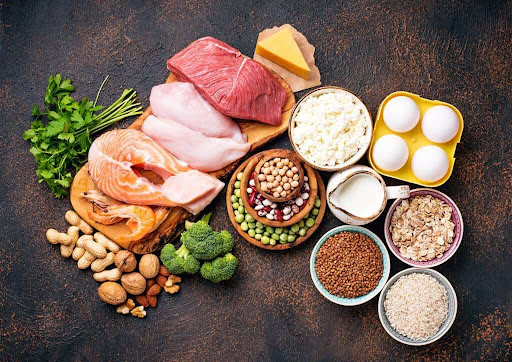
- Lean protein: Chicken, fish, eggs, tofu
- Plant-based protein: Beans, lentils, nuts, seeds
- Limit: Processed meats and fatty cuts
Mix protein sources with fiber-rich foods like vegetables and whole grains. This supports digestion, heart health, and long-term wellness.
Smart Protein Eating Tips
Follow these strategies to stay in the safe protein zone:
- Spread protein across meals – Avoid loading it all in one sitting.
- Pair with fiber – Beans, vegetables, and grains aid digestion.
- Stay hydrated – Extra protein creates waste your kidneys need to process.
- Listen to your body – Fatigue or digestive issues are red flags.
- Use personalized guidance – Following balanced diet guidelines for protein intake can help meet goals without overdoing it.
Protein for Everyday Health

Protein is a tool, not a target. Balanced protein intake helps with:
- Muscle strength
- Healthy metabolism
- Energy throughout the day
- Overall wellness
Too much protein doesn’t make you stronger—it just adds unnecessary strain.
Final Takeaway on Protein
Protein is essential, but moderation and balance are critical. Stick to your body’s needs, mix protein sources, and include fiber, vegetables, and whole grains. Smart protein habits help you feel energized, strong, and healthy without overloading your system.
FAQs About Protein Intake
1. How much protein should I eat per day for weight loss?
For most adults, 0.8–1.2 g/kg of body weight is sufficient. Active adults or those doing strength training may require 1.5–1.7 g/kg/day, spread across meals for best results.
2. Can too much protein harm your kidneys?
Overconsumption of protein can put a strain on the kidneys, particularly in people who already have renal disease. Balanced intake from lean and plant-based sources is safer.
3. What are the best protein sources for everyday health?
Lean meats, fish, eggs, tofu, beans, lentils, nuts, and seeds are excellent. Pairing them with vegetables and whole grains ensures a nutrient-rich, balanced diet.