
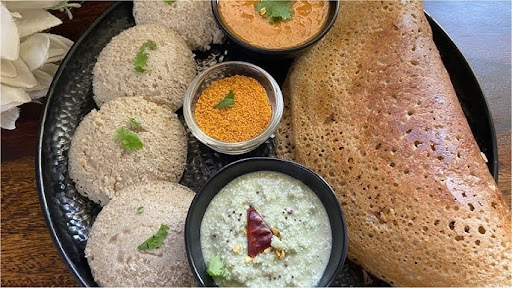
If you are trying to switch to healthier breakfast choices without compromising on taste, barnyard millet (known as Kuthiraivali in Tamil, Sanwa millet in Hindi, Oodalu in Kannada) is a fantastic option. Soft, fluffy, and highly nutritious — Barnyard Millet Idli is becoming a favourite among fitness-conscious people and diabetics.
This grain is naturally gluten-free, low in glycemic index, and rich in protein and fiber, making it a great replacement for polished rice in daily meals.
Why Barnyard Millet Idli is Great for Weight Loss & Diabetes
- Low in calories while keeping you full longer
- Helps control blood sugar spikes due to slow-digesting carbs
- Rich in fiber, B vitamins, iron, and magnesium
- Supports digestion and gut health
- Gluten-free and suitable for those with wheat intolerance
- Helps manage weight and improves blood sugar balance
Ingredients (Serves 4)
- Barnyard Millet – 2 cups
- Urad dal (split black gram) – ¾ cup
- Fenugreek seeds – ½ teaspoon (optional)
- Salt to taste
- Water as needed
- Oil for greasing idli moulds
Tip: Adding ¼ cup poha (flattened rice) can make the idlis extra soft.
Step-by-Step Recipe
1. Soaking
- Rinse barnyard millet thoroughly 2–3 times.
- Wash urad dal and fenugreek seeds separately.
- Soak both for about 4 hours.
2. Grinding
- Grind urad dal into a smooth and fluffy batter.
- Grind millet separately to a slightly coarse consistency.
- Mix both batters together in a large bowl, add salt, and combine well.
3. Fermentation
- Let the batter ferment for 8–10 hours or overnight.
- It should rise and look airy once fermented.
Tip: During colder months, keep the batter in a warm spot or inside an oven with the light turned on.
4. Steaming
- Grease the idli moulds lightly with oil.
- Pour the batter into each mould.
- Steam for 10–12 minutes on medium flame.
- Allow it to cool slightly before removing the idlis.
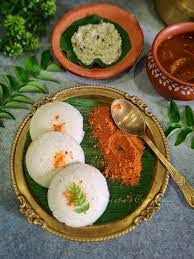
Now your soft, fluffy millet idlis are ready to serve.
Best Serving Suggestions
Serve barnyard millet idlis with:
- Coconut chutney
- Tomato or onion chutney
- Sambar
- Mint-coriander chutney
Nutrition Benefits
Barnyard millet idli is:
- High in dietary fiber
- Low in glycemic index which helps manage diabetes
Helpful for weight loss and reducing cravings
- A heart-healthy and digestion-friendly food option
It is especially beneficial for individuals dealing with:Diabetes, PCOS, Obesity, Gluten intolerance
FAQs
1. Can we make idli with barnyard millet?
Yes, it works perfectly as a healthy rice substitute and gives soft idlis.
2. Which millet is good for idli?
Barnyard millet, foxtail millet, and little millet give a good idli texture.
3. Can we eat barnyard millet raw?
No, raw millet is not easily digestible and must be cooked.
4. What are the ingredients in barnyard millet dosa?
Barnyard millet, urad dal, fenugreek seeds, water, and salt.
The same idli batter can be used to prepare crispy dosas.
Tips for Best Results
- Add poha for extra softness if needed
- Keep the batter thick for fluffy idlis
- Ensure proper fermentation for the best texture
- Add grated vegetables to enhance nutrition
Conclusion
Replacing polished rice with barnyard millet in your idli recipe boosts nutrition while supporting a healthier lifestyle. It is an excellent breakfast choice, especially for those concerned about weight management or diabetes. Try this recipe and enjoy a wholesome South Indian classic that is both delicious and good for your health.