healthy doesn’t have to be expensive. With the right approach, you can plan a balanced diet food strategy that includes healthy snacks for kids, high protein meal plan options, low calorie food, and foods good for the heart, all while staying within budget.
This 30-day organic meal plan shows you how to eat well, support weight loss, build muscle, and improve healthy eating habits — without feeling like you’re sacrificing flavour or your wallet. Whether you’re looking for a 7-day diet plan for weight loss or a full month of clean eating, this guide has you covered.
Why Choose Organic & Healthy Foods on a Budget
Buying organic can feel costly, but smart planning helps you include more healthy foods every day without overspending.
Globally, the cost of a basic meal plate averages US $0.71 (around ₹60), while studies show organic food prices are 35 %–270 % higher than regular produce. In India, the difference is clear — regular tomatoes cost about ₹30–₹40 per kg, while organic ones sell for ₹60–₹80; non-organic milk is ₹60–₹70 per litre, and organic milk is ₹100–₹120.
Still, you can make it work with smart choices:
- Buy seasonal produce — it’s fresher and cheaper.
- Shop in bulk for staples like pulses and rice.
- Prioritise high-residue foods (apples, spinach, peppers) for organic.
- Visit local farmers’ markets for better deals.
Small swaps like these make it easy to enjoy foods good for health without stretching your budget.
Step-by-Step: Planning Your 30-Day Organic Meal Plan
Set Your Goals & Structure
- Decide your priority: Are you aiming for weight loss, muscle building, heart health, or simply better nutrition?
- Choose your calorie/portion targets (for example, a low calorie food focus) and macro distribution (for example a high protein meal plan with 30% protein, 40% carbs, 30% fat).
- Map out the month: 30 days → you might reuse certain meals to save time and cost while keeping variety.
- Build in snacks and kid-friendly options to keep everyone engaged.
Choose Your Food Categories
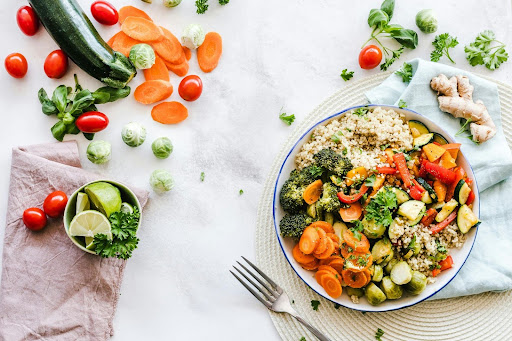
- Healthy breakfast to lose weight: e.g., oats + fruit + yoghurt; eggs + spinach.
- Good healthy lunches/dinners built around lean protein (chicken breast, lentils, fish), whole grains, lots of veggies.
- Snacks: nuts, fruit, veggie sticks + hummus (helps develop good food habits).
- Special focus:
- Foods that are healthy: leafy greens, colourful vegetables, legumes.
- Foods to build muscle: beans, Greek yoghurt, lean meat/fish, eggs.
- Foods good for the heart: oily fish, walnuts, oats, berries.
- Liver healthy foods: beets, carrots, garlic, green tea, leafy greens.
- Emphasise a simple meal plan to lose weight: every meal is easy to prepare, minimal processed foods.
Budget-Wise Tips for Organic Shopping
- Prioritise which items go organic (the “Dirty Dozen” produce list or whichever applies locally).
- Buy seasonal and local produce – cheaper and fresher.
- Use bulk purchases for grains, legumes, nuts.
- Use whole foods more than processed organic packaged goods.
- Plan meals so you use leftovers and avoid waste — meal-planning reduces cost and improves nutrition.
- Compare organic vs conventional for high-cost items — sometimes the premium is lower than expected.
30-Day Meal Plan Framework
Below is a weekly repeating structure you can follow and slightly vary for each of the 4 weeks. Feel free to swap out proteins, vegetables and carbohydrates to keep things interesting.
Day | Breakfast | Lunch | Dinner | Snack |
Monday | Oats with berries + yoghurt | Grilled chicken salad + quinoa | Lentil curry + brown rice + steamed broccoli | Apple + handful almonds |
Tuesday | Scrambled eggs + spinach + whole wheat toast | Tuna (or chickpea) wrap + mixed veggies | Baked fish + sweet potato + green beans | Carrot sticks + hummus |
Wednesday | Smoothie (spinach, banana, protein powder, almond milk) | Bean & vegetable bowl + bulgur | Turkey (or tofu) stir-fry + brown rice | Greek yoghurt + honey + walnuts |
Thursday | Whole grain pancakes + berries | Chickpea salad + avocado + greens | Chickpea & vegetable stew + low-GI bread | Orange + sunflower seeds |
Friday | Cottage cheese + pineapple + flaxseed | Salmon (or lentil loaf) + roasted veggies + quinoa | Veggie pizza on whole grain base + side salad | Celery + peanut butter |
Saturday | Omelette w/ mushrooms, peppers + whole grain toast | Chicken (or tempeh) taco bowls + salsa + brown rice | Pasta with tomato basil sauce + side salad | Mixed berries + small dark chocolate piece |
Sunday | Greek yoghurt + granola + kiwi | Roast-veg & quinoa salad | Grilled lean steak (or seitan) + baked potato + asparagus | Pear + cashews |
Week-by-Week Tweaks
- Week 2: Increase proportion of legumes for cost-saving and variety.
- Week 3: Use more plant-based dinners to reduce cost (and still hit high protein) — e.g., bean burgers, lentil shepherd’s pie.
- Week 4: Introduce a “fun dinner” (healthy but more relaxed) and prep heavier on Sunday for leftovers mid-week.
Comparison Table: Conventional vs. Organic + Meal Planning
Many people assume organic food is too expensive — but the real difference is smaller than it seems. In most cases, it’s just ₹30–₹80 more per item (roughly $5 or ₹400 extra a month for a family). With a few smart choices, going organic is absolutely doable.
Item | Conventional Price (estimate) | Organic Price (estimate) | Cost-Saving Tip |
Mixed vegetables (seasonal) | ₹100 / kg | ₹140 / kg (≈ 40% higher) | Buy in bulk during the season and freeze extras. |
Chicken breast | ₹300 / kg | ₹420 / kg (≈ 40% higher) | Stretch portions with beans or lentils for two meals. |
Legumes (lentils) | ₹120 / kg | ₹130 / kg (≈ 10% higher) | Great low-cost protein — buy organic in bulk packs. |
Quinoa / brown rice | ₹200 / kg | ₹260 / kg (≈ 30% higher) | Compare price per kg; bulk buying saves ₹50–₹80. |
Nuts / seeds | ₹600 / kg | ₹700 / kg (≈ 17% higher) | Buy raw from wholesale stores; use small portions daily. |
As you can see, organic food isn’t drastically costlier — and with a little planning, it fits easily into most budgets. By prioritizing seasonal produce and versatile ingredients, you can go the organic way without overspending while still enjoying cleaner, healthier food every day.
Note: These are illustrative estimates (India context); actual prices will vary.
Why This Works (and Feels Human)
- By having a meal plan, you reduce decision fatigue in the kitchen.
- You’re building healthy eating habits: prepping meals, choosing wholesome foods, avoiding last-minute expensive take-out.
- You hit multiple goals: healthy nutrition, good healthy variety, foods to build muscle, liver healthy foods, foods good for the heart.
- The monthly timeframe gives enough space to tune what works for your schedule (kids’ lunches, family dinners) and to vary flavours so you don’t feel stuck.
- Because you aim for mostly whole foods (vegetables, legumes, whole grains, lean proteins), you avoid many ultra-processed premium organic items whose cost is dramatically higher.
Real Statistics to Ground the Plan
- Organic food price premiums ranged from 35% up to over 270% in one study.
- Another study found that planning meals and budgeting helped families stay within budget without sacrificing nutritional quality.
These stats remind us: yes, organic may cost more — but planning and wise choices make it manageable.
Frequently Asked Questions (FAQs)
Q1:Can I really afford organic on a budget?
Yes — by focusing on seasonal produce, bulk buying, legumes, and smart swaps, you can include organic food items and still keep grocery costs reasonable. Planning helps mitigate the higher price premiums.
Q2: I’m trying to lose weight — how does this meal plan help?
This plan emphasises low calorie food, lean proteins, whole grains, plenty of vegetables, and controlled snacks. That’s exactly the kind of structure recommended for weight loss and healthy meals (with a healthy diet focus).
Q3: What about meals for kids and snacks?
You’ll find this plan includes healthy snacks for kids (fruit, nuts, yoghurt) and meals that the whole family can share. It helps build good food habits early and avoids overly processed alternatives.
Conclusion
Planning a 30-day organic meal plan doesn’t have to mean spending significantly more or compromising your goals.
By combining a balanced diet food approach with smart shopping, reuse of meals, batch-cooking, and prioritising high-impact foods (like veggies, legumes, lean proteins), you can eat clean, support healthy nutrition, build muscle, protect your heart and liver, and set yourself up for lifestyle success.
Start with the framework above, tailor it to your tastes and schedule, and you’re well on your way to eating healthy — and staying healthy.