
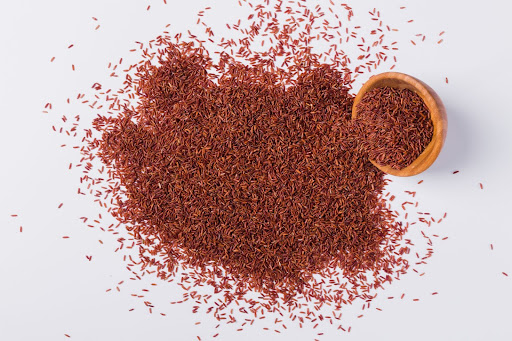
If you’re looking for the best first food for your baby, there’s one traditional super grain that’s becoming a modern favourite — ragi. Also called finger millet, ragi for babies has always been trusted in Indian homes, and today even paediatricians recommend it because it’s gentle, nutritious, and perfect for growing bodies.
1) Why Is Ragi Great for Babies?
Ragi is packed with nutrients that babies truly need:
- Calcium for stronger bones and teeth
- Iron that supports healthy blood and brain development
- Protein for growth milestones
- Fiber for a happy tummy and smooth digestion
No fancy supplements needed — just a simple grain with big nutrition.
2) When Can Babies Start Eating Ragi?
Babies can safely enjoy ragi after 6 months when they begin solids.
Before that, their digestion isn’t ready for grains.
If parents are unsure about when to give ragi to babies, they can start slowly with 1–2 spoons in the beginning and increase based on tolerance.
3) Why Sprouted Ragi Is Better for Babies

Sprouted ragi has:
- Softer, easier-to-digest nutrients
- Increased iron absorption
- Reduced gas-forming compounds
That means better digestion and better growth — especially for tiny tummies that are still adapting to solid foods.
4) Best Way to Introduce Ragi
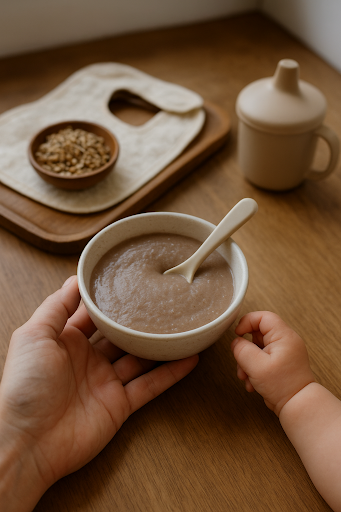
Most parents begin with ragi porridge for 6-month-old babies because it’s smooth and easy to swallow. Start thin → gradually go thicker as your baby learns to chew.
You can also try ragi dosa or tiny pancakes after 10 months if you’re exploring ragi recipes for healthy weight gain.
5) Can You Give Ragi Every Day?

Yes — 3–4 times a week is ideal, and some babies can have it daily if digestion is comfortable. Because ragi keeps babies full for longer, it’s especially helpful for active or underweight little ones.
If parents wonder, is ragi good for babies daily? — the answer is yes, as long as it’s balanced with other grains, fruits, and vegetables.
6) Does Ragi Support Weight Gain?
Absolutely! Ragi has slow-release carbohydrates and proteins that help babies gain healthy weight — not just “chubby weight.”
Mixing ragi with ghee or fruit purée is a great way to nourish babies who need a little extra calorie boost.
7) Any Side Effects to Know?
Like any new food, start small and observe:
- If constipation occurs → reduce quantity for a few days
- Ensure enough water or fluids are given
- Introduce new foods one by one
Most babies digest ragi comfortably, especially in sprouted form.
8) Quick Benefits: Ragi for Babies in One Look
Benefit | Why It Matters |
High calcium | Stronger bones & teeth |
Gentle digestion | Less colic, better tummy comfort |
Rich in iron | Helps prevent early deficiencies |
Natural satiety | Fewer hunger cries |
Gluten-free | Perfect for sensitive babies |
Does ragi cause heat or cold in the body?
Ragi has a natural cooling effect — great for summer.
How long does ragi take to digest?
Sprouted ragi digests quickly and supports a healthy gut.
Can ragi be given at night?
Prefer daytime, as babies stay full longer and may sleep lighter.
Is ragi good for constipation?
Yes — its fiber generally supports smoother bowel movements.