
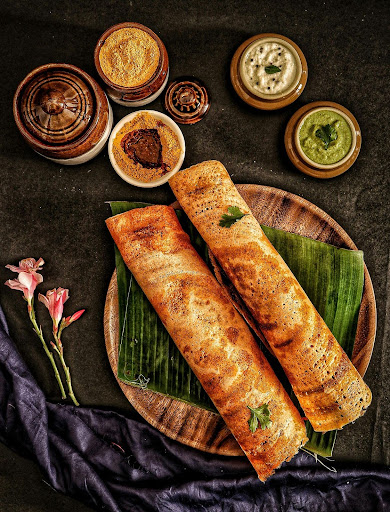
Millet dosa has quickly become a favorite in many Indian homes as people search for daily meals that are both wholesome and easy to digest. While regular dosa made with rice and urad dal has its own charm, millet dosa brings a much stronger nutritional profile that suits today’s wellness-focused lifestyle. It fits perfectly for those looking for healthy millet dosa recipes for beginners, people trying to improve gut health, or anyone wanting a more balanced South Indian breakfast option.
Why Millet Dosa Is Better Than Regular Dosa
1. Low Glycemic Index for Better Sugar Control
Millets digest slowly and help maintain steady energy levels, unlike the faster glucose spikes caused by polished rice. For individuals looking for millet dosa benefits for weight loss and gut health or managing blood sugar, this slow-release energy is a game changer.
2. Rich in Dietary Fiber
Compared to regular rice dosa, millet dosa naturally contains more fiber. This supports smoother digestion, makes you feel full for longer, and reduces mid-morning cravings—ideal for anyone trying to adopt healthier eating patterns.
3. Packed With Minerals
Millets are an excellent source of magnesium, iron, phosphorus, and B-vitamins. These nutrients support bone strength, better metabolism, improved oxygen circulation, and overall vitality—reasons why many people now prefer millet breakfast ideas for Indian households.
4. Gluten-Free and Light on the Stomach
Millets are naturally gluten-free, making millet dosa suitable for people with gluten sensitivities or those seeking lighter, anti-inflammatory meal options.
5. A Sustainable, Eco-Friendly Choice
Millets grow with minimal water and are resilient to changing climates. Simply choosing a millet dosa over a rice dosa contributes to a more sustainable food habit—an added bonus when you’re looking for foods that support your health and the planet.
Quick & Simple Millet Dosa Recipe (Beginner-Friendly)
Ingredients
- 1 cup millet (foxtail, little millet, barnyard millet, or kodo millet)
- ½ cup urad dal
- 1 tsp fenugreek seeds
- 2 tbsp poha (optional)
- Salt to taste
- Water as required
How to Make Millet Dosa (Short, Simple Instructions)
1. Soak
Rinse millet and urad dal thoroughly.
Soak both together with fenugreek seeds for 4 hours.
Add poha during the last 15 minutes if you prefer a softer dosa.
2. Grind
Grind the soaked ingredients into a smooth batter.
Add water gradually until it reaches dosa-batter consistency.
3. Ferment
Allow the batter to ferment overnight or for 8–10 hours.
Once fermented, add salt and mix gently.
4. Cook
Heat a dosa pan on medium flame.
Spread a ladle of batter thinly in a circular motion.
Drizzle a little oil around the edges.
Cook until golden and crisp.
Serve hot.
This simple method makes it easy for anyone learning how to make fermented millet dosa batter at home.
Final Thoughts
Millet dosa delivers everything you love about regular dosa—flavor, crispness, and comfort—while offering added nutritional advantages that support long-term well-being. With its low glycemic impact, rich mineral content, and easy digestibility, it has quickly become one of the best millet dosa options for South Indian breakfast lovers seeking healthier routines.
Whether you’re aiming for better digestion, more balanced energy through the day, or cleaner eating habits, millet dosa is a simple, enjoyable upgrade. Once you try it, it may easily become your new everyday favorite.
FAQS
1. Is millet dosa a good choice for diabetes?
Yes. Millet dosa is considered a diabetes-friendly breakfast because millets have a low glycemic index and release glucose slowly. This helps prevent sudden sugar spikes, which makes millet dosa a safer alternative to regular rice dosa for individuals managing diabetes in India.
2. Which millet works best for dosa in South India?
The best millet for dosa in South India is foxtail millet, as it ferments easily and gives a crisp texture similar to traditional dosa. Little millet, barnyard millet and kodo millet also work well because they blend smoothly, cook evenly and have a mild flavor suitable for everyday South Indian cooking.
3. Can I eat millet dosa daily?
Yes. Millet dosa can be eaten daily because it is light, high in fiber, and nutrient-dense, making it suitable for regular Indian diets. When fermented properly and paired with simple chutney or sambar, it supports digestion, long-lasting energy, and balanced nutrition for everyday consumption.